
As an Amazon Associate, PetKiddies earns from qualifying purchases. We may earn a commission from links on this page at no extra cost to you.
When your cat hits 11 or 12, the small details of the home start to matter more than they used to. A litter box she once leapt into becomes a daily obstacle. A jump she nailed in her sleep now ends with a wobble. Almost 40 percent of pet cats in the US, UK, Australia, and Canada are over the age of 7, and the fastest growing slice of that group is the 11 plus crowd. The good news is that a few thoughtful changes to her environment can add real comfort, and often real years, to her life. Most take an afternoon. None are expensive. And your cat will usually tell you, in her quiet way, which ones helped.
Why Senior Cats Need a Different Setup
Ageing in cats is a slow process, and the body changes before the personality does. Joints stiffen, kidneys concentrate urine less well, and eyes adjust to dim light more slowly. Muscle mass drifts downward, so even a lean senior cat has less power to launch. The home she has lived in for years quietly becomes harder to navigate. The job of a good senior cat home is to remove that friction.
1. Rethink the Litter Box Setup
The litter box is often the first place a senior cat’s environment shows its age. A box with tall sides she leapt into at three can feel like a wall at thirteen. Stiff hips and weaker front paws make that climb harder, and vets routinely see arthritic cats who start peeing just outside the box, not out of spite, but because the climb hurt or the landing was unsteady.
What to do this weekend:
- Swap one main box for a low entry version, with sides under 4 inches (10 cm).
- Place one box on every floor of the home so stairs are not required at 3 a.m.
- Choose a fine, soft clumping litter. Sandy textures are easier on aging paw pads than heavy pellets.
- Keep the box away from the food bowl and from loud appliances.
2. Give Her a Softer, Warmer Place to Sleep
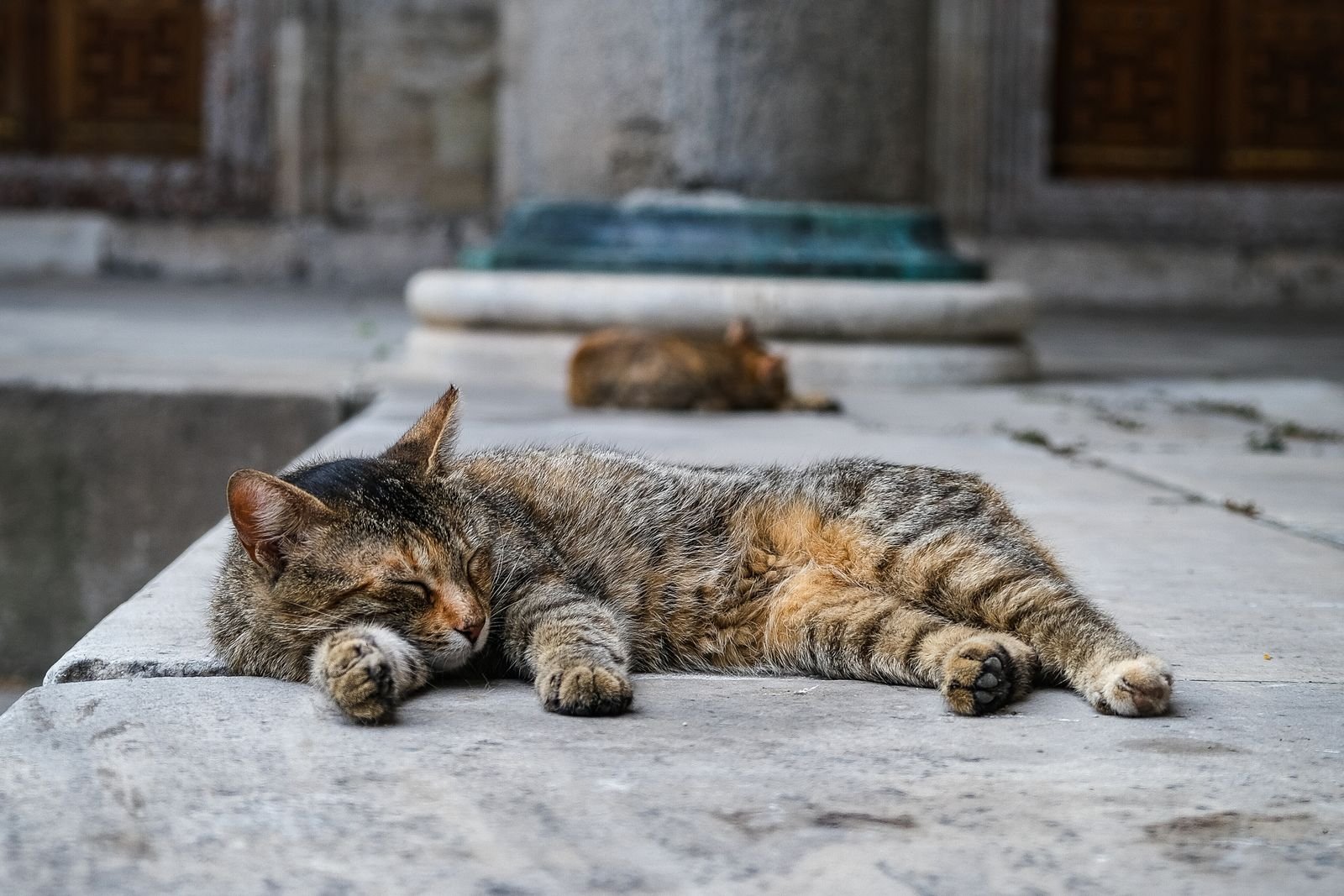
Older cats sleep more deeply and feel cold more sharply. The skin thins with age, and the body fat that once kept her warm quietly disappears. A heated bed set on low is one of the most appreciated gifts you can give a senior cat, and most vets warmly recommend them.
Look for beds with bolsters or raised sides. Senior cats often prefer to lean against something while they sleep, and a bolster supports stiff joints. Place the bed in a quiet corner, away from foot traffic, but not in a closed back room. Aging cats like to know where you are.
3. Add Steps, Ramps, and Stable Surfaces
Jumping is the quiet casualty of senior cat life. A cat who used to perch on the kitchen counter now watches from the floor. The instinct has not changed, only the body. If you remove her favourite high spots without giving her a way back up, she can become withdrawn, which is bad for her mood and her appetite.
Pet steps, foam stairs, or a small ramp with a non slip surface can restore access to a windowsill, a bed, or a sofa. Look for wide treads, a gentle slope, and a base that grips the floor. Place them where she already looks at the high spot, so her daily routine does not have to change.
4. Bring Food, Water, and Comfort Closer
A senior cat’s world shrinks without anyone noticing. The water bowl is in the kitchen, the food is in the laundry, the litter box is in the bathroom, and the bed is upstairs. That is a long walk for a cat with sore joints and a small bladder. Bringing these resources into one calm, easy zone can lower her daily stress more than any supplement on the market.
- Use a shallow, wide bowl for food. Deep bowls press against the whiskers and face, which can bother older cats.
- Offer a water fountain. Many seniors drink more from moving water, and good hydration helps aging kidneys.
- Add a second water bowl in another quiet room, so she never has to climb stairs when thirsty.
- Place a non slip mat under bowls so the dish does not slide while she eats.
5. Watch the Senses: Light, Sound, and Smell
This is the most overlooked part of senior cat care. Ageing changes how a cat experiences the world. Her eyes need more light to see clearly. Her ears pick up fewer high sounds, but sudden noise can still startle her. Her nose has a softer sense of smell, which is why she may walk past dinner you thought looked irresistible.
Add a soft night light in the hallway and near the litter box for the 2 a.m. wander. Keep the TV and music at a steady volume rather than loud bursts. Warm wet food slightly before serving, since a few seconds in the microwave brings out the aroma and often resets a senior cat’s appetite. Avoid rearranging the furniture, because senior cats build a mental map of the home.
Helpful Products for an Aging Cat Home
| Product | Best For | Price Range | Why It Works |
|---|---|---|---|
| Low entry litter box | Arthritic or stiff cats | $20 to $45 | Removes the climb that makes box trips painful |
| Heated cat bed with bolster | Thin coated and senior cats | $35 to $80 | Gentle warmth soothes stiff joints at night |
| Pet stairs with non slip treads | Cats who still love high spots | $25 to $60 | Restores access to beds and sofas without risky jumps |
| Ceramic pet water fountain | Cats who drink too little | $30 to $70 | Moving water helps senior kidneys stay hydrated |
| Shallow wide feeding dish | Sensitive whiskered seniors | $10 to $25 | Removes whisker pressure and encourages steady eating |
| Soft warm night light | Night time wanderers | $8 to $20 | Lights the path to litter box and water bowls |

- DURABLE & LONG-LASTING DESIGN: Made from sturdy recycled plastic that delivers reliable strength for daily use. Built to…
- ARM & HAMMER ODOR CONTROL PROTECTION: Infused with trusted Arm & Hammer baking soda that naturally neutralizes odors on …
- EASY TO CLEAN & MAINTAIN: Smooth, non-stick interior surface prevents litter from clumping or sticking, making scooping …
The signs your senior cat is actually in pain (not just “slow”)

- ENERGY EFFICIENT: Heated cat cup is low wattage and extremely energy efficient; the thermostatically controlled 4 watt h…
- MACHINE WASHABLE: K&H Thermo-Kitty Beds feature a removable cover for easy wash and care
- SAFETY LISTED: K&H products are safety certified, providing peace of mind with electrical safety standards that go beyon…

- Perfect Bedside Access Solution: The PetSafe CozyUp Folding Wood Pet Steps help your dog or cat climb onto beds or couch…
- Safe & Stylish Pet Support: Features a non-slip pet stair tread and a sturdy cherry wood design that blends with home de…
- Comfortable & Compact for Indoors: Designed with grip carpet tread and compact wood steps that provide added traction an…

- Cat fountain features 3 different water flow settings for picky drinkers and offers maximum oxygenation for fresher, bet…
- Can hold up to 3L in the cat water bowl and takes up little floor space; dimensions are 9.0 x 8.3 x 7.7 inches
- Features handy water level indicator window with LED nightlight, and petal top enables your cat to drink even when the f…

- Reduce Neck Burden: The metal frame raises the cat bowls to a more convenient height,(2.75 inches), your cat could comfo…
- Prevents Whisker Fatigue: The shallow & wide design, your cat’s whiskers will not touch the side of the cat dish while e…
- Suitable For Cat or Puppy: Elevated Cat Bowl with Sturdy Stand, Two bowls could properly fit into the frame and your cat…

- Portable Pet Ramp: This sturdy, lightweight ramp helps your dog or cat climb up on the bed or couch all by themselves; P…
- Durable and Stylish: Safety tested for durability, this bedside ramp provides a non-slip grip with its heavy duty carpet…
- Mobility Solutions: We carry a whole line of supplies to help your senior pet get to their favorite spots, including ram…
Cats hide pain better than any other animal. These are the subtle signs we’ve learned to watch for:
- Less grooming. Especially along the back and hips – they simply can’t reach comfortably anymore.
- Smaller, harder stools. Often a sign of dehydration or constipation, both manageable with diet changes.
- Reluctance to jump down (vs up). Jumping up uses momentum; jumping down is controlled landing, which hurts arthritic joints.
- Increased vocalization at night. Often a sign of cognitive decline or sensory loss. Both are treatable.
- Hiding more than usual. Not a personality change – usually pain or discomfort.
Any of these = a vet visit. Senior cats are masters of compensating, so by the time they show you something, it’s been going on for a while.
When quality of life gets hard to judge
The HHHHHMM scale (Hurt, Hunger, Hydration, Hygiene, Happiness, Mobility, More good days than bad) is the framework most vets use. It’s not about quantity – it’s about whether the bad days are getting closer together.
We’ve made this decision three times. It never gets easier. But the framework helps you answer the question you’re actually asking: “is my cat still enjoying being here?”
When to Call the Vet
A checkup every six months is now the standard for cats over 11. Watch for changes that deserve a sooner visit: a sudden drop in appetite, new hiding, weight loss you can feel along the spine, more frequent or missed litter box trips, unsteady walking, or any sign of pain when you touch her lower back. Earlier is almost always cheaper, gentler, and kinder.
Frequently Asked Questions
Q: At what age is a cat considered a senior?
Most vets treat cats as senior from around 11 and as geriatric from 15. The label is a reminder that prevention and screening matter more from that age on.
Q: How can I tell if my older cat is in pain?
Cats hide pain well, so the signs are subtle. Look for shorter jumps, longer hesitation before jumping, less grooming, more hiding, and a low posture.
Q: Do senior cats really need a heated bed?
They often love them, and most vets recommend them for thin coated or underweight seniors. Choose a bed with low wattage, a chew resistant cord, and a washable cover.
Q: Is it normal for an older cat to drink more water?
A small increase is normal, but a noticeable jump in thirst or urination can signal kidney disease, diabetes, or thyroid issues, all common and treatable in older cats.
Q: Should I add supplements to my senior cat’s food?
Talk to your vet before adding anything. Omega 3s and joint support chews can help, but the wrong dose or combination can interfere with medication.
The Bottom Line
Senior cat care is mostly about paying attention. The litter box sides, the bed warmth, the height of the windowsill, the bowl in the kitchen, the night light in the hallway. None of these changes are dramatic on their own. Together, they shape a home that lets your cat keep being herself well into her teens. Start with the litter box and the bed, because those two bring the fastest relief, then layer in steps, calm water, and gentle light over the next few weeks. A good home is one of the strongest medicines a senior cat will ever have, and it is the one you can give her today.